Home / Mesh Infill for Small Animal Gates
Mesh Infill for Small Animal Gates
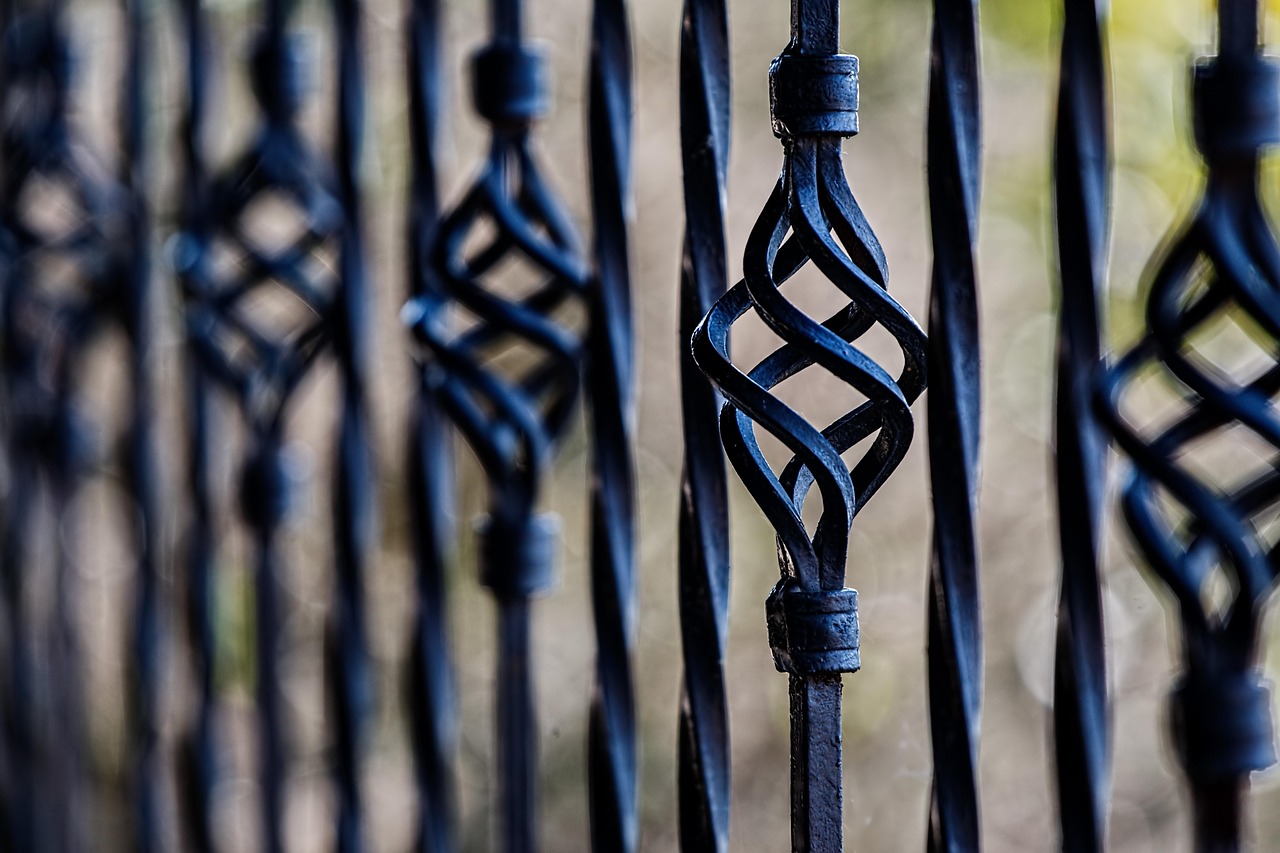
When bars alone leave too much space, a mesh panel inside the gate frame closes the gaps without turning the gate into a wall. Mesh keeps the view, lets air through and holds small animals that would slip between pickets. The details decide whether it works for years or sags within a season: the type of wire, how the mesh is framed, how edges are finished and how tight it stays. This article covers those choices.
Why use mesh at all
Ornamental gates are often spaced for looks and for people, not for small pets. Mesh provides a fast fix because it adds a second barrier with much finer openings. It is useful for puppies, small breeds, cats, rabbits and chickens, and it can be added to a new gate or retrofitted to an existing one.
Mesh also changes the feel of a gate. It softens sightlines and can reduce a pet's urge to bark at passersby. On the other hand, mesh that is poorly chosen or installed can look cheap and collect debris. Done well, it blends into the frame.
Welded wire
Welded wire mesh is made of straight wires crossed and fused at each intersection. It is stiff, flat and holds its shape. Openings are square or rectangular, and wire thickness ranges widely. For a gate, choose a heavier gauge than the type sold for garden fencing, because a gate panel is pushed and leaned on daily.
Welded wire resists a dog's paws better than woven mesh, but a determined chewer can break a thin strand. Galvanized or coated wire resists rust. Ask about the coating and look for any bare spots at the welds, which are weak points for corrosion.
Woven wire and chain link
Woven wire is made from wires twisted or crimped together. It is flexible and can stretch, which is its weakness in a gate. Over time it sags and bulges where a pet pushes. Chain link is a common woven type and is acceptable for utilitarian gates, but it does not look refined and can be bent by large dogs. If it is used, keep it tensioned and use a top and bottom rail to hold it.
The advantage of woven wire is cost and availability. Where appearance matters less than function, it can serve well on a small gate with a sturdy frame.
Expanded and perforated metal
Expanded metal is a sheet slit and stretched into a diamond pattern. Perforated metal is a sheet with punched holes. Both are rigid, have no loose ends and resist chewing. They are heavier than wire mesh and can suit a gate that needs to be strong. Openings can be very small, which is helpful for tiny animals.
These panels offer privacy depending on the pattern and angle of view. They also catch more wind than open wire, so the frame and hinges must be sized accordingly. Edges of expanded metal can be sharp, so they must be framed and finished with care.
Framing the mesh
The mesh must be held in a frame that supports its edges. The best approach is a channel or angle around the perimeter, with the mesh set inside and fixed by welding or by a retaining strip. A strip bolted over the mesh edge hides the cut ends and spreads the load. Mesh that is only tacked to the back of the bars with a few clips will work loose.
Add a cross rail if the panel is large, so the mesh does not flex in the middle. The frame must be square and strong, because the mesh adds weight and wind load. A well framed panel looks like part of the design, not an afterthought.
Bent edges and safe finishing
Cut wire ends are sharp. Every edge should be folded back, capped or enclosed in a frame channel. A pet that rubs against a bare wire end can get hurt, and so can a person carrying a bag. Run a gloved hand along all edges and corners to check.
The bottom edge needs special attention. It should sit tightly against the bottom rail or into a channel, with no gap that a paw can catch. If the mesh extends below the rail, fold it so the end does not catch on the ground. Rounded corners are friendlier than square ones.
Keeping it taut and neat
Mesh that sags invites sagging gaps. Tension it when fixing, and use stiffeners or a second rail if the panel is tall. Spring clips or tension bars help in retrofits. Check tension each season, especially in hot weather when metal expands, and in cold when it contracts. Tighten fasteners as needed.
Keep the mesh clean. Leaves and dirt collect in the openings and stain the finish. A hose and a soft brush usually do the job. Look for rust at the cut ends and at the fastener points, and touch up with a rust inhibiting coating when needed.
Color and appearance
Black or dark colored mesh tends to fade into the background and keeps views clear. A lighter color shows more but can look busy. Match the frame color to the mesh, or use a contrasting trim for design effect. Avoid shiny finishes that reflect sun into the yard.
When the mesh is integrated with the design from the start, a fabricator can build a channel that gives a clean, crisp edge. For a retrofit, a slim frame around the mesh gives a good result. A little care at this stage separates a smart looking gate from a patched one.
Checking after installation
Test the panel by pressing on it in several places. It should not flex, rattle or bulge. Check that no gap exists at the edges or between the mesh and the frame. Look for loose clips and sharp ends. Watch how the pet reacts for a day or two. If the animal paws at one corner, reinforce it.
Mesh infill is a small addition with large benefits when done properly. A strong wire, a tidy frame, safe edges and steady tension give a gate that stays in good shape and keeps small animals where they belong.
Matching mesh to the animal
Pick the opening size by the animal. A puppy needs a smaller grid than an adult dog, and a cat or rabbit needs a finer one still. Birds and small reptiles may need a very small opening. Remember that animals grow and that some can climb mesh. If climbing is a concern, keep the mesh from forming a ladder, or add a smooth top section that offers no grip. Review the choice when the household adds a new pet, since a panel that suited one animal may not suit the next.