Home / Child Safe Gate Details for Cedar Park Families
Child Safe Gate Details for Cedar Park Families
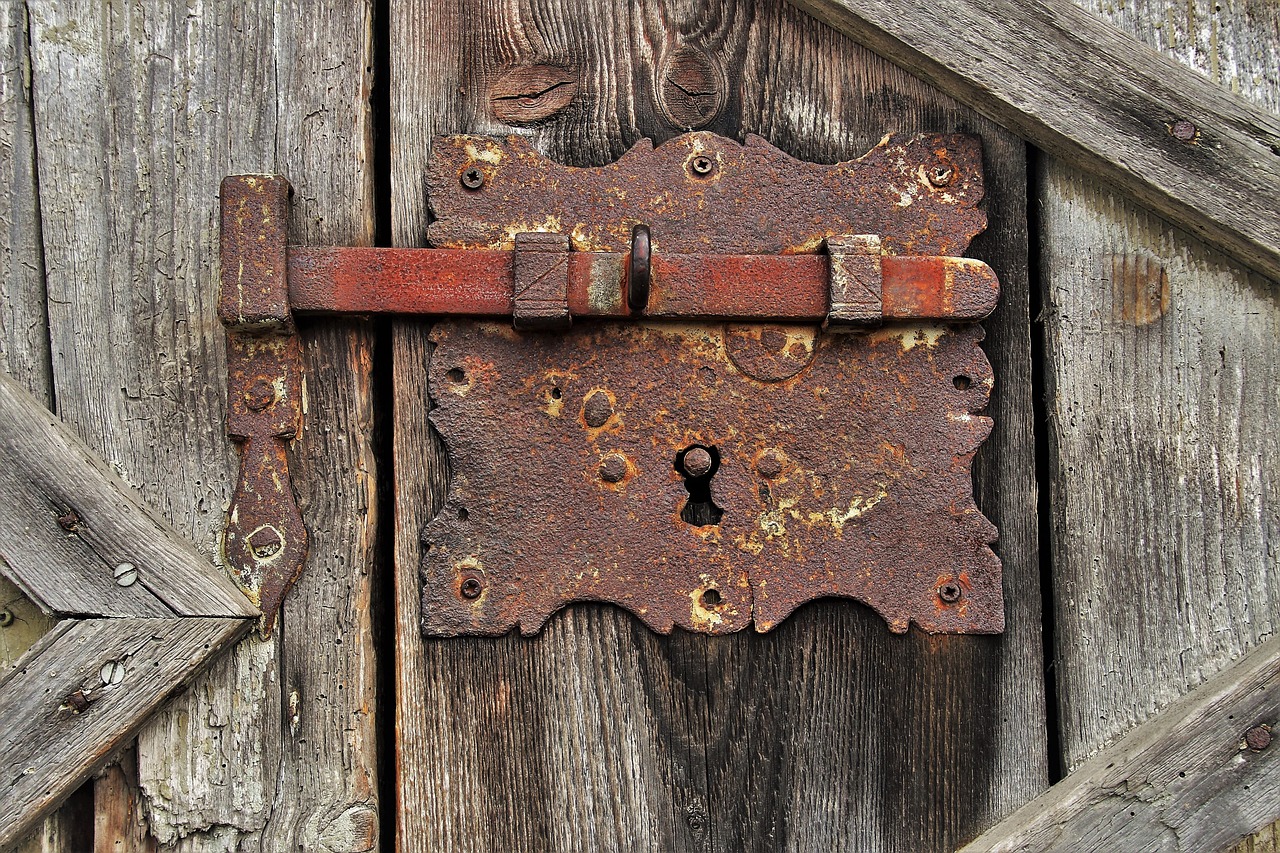
Families in Cedar Park often ask about gates when a baby starts crawling, when the first backyard pool goes in, or when a neighbor's child wanders over. A gate that looks fine to an adult can hide pinch points, climbable crossbars and latches that a determined four year old can open. Child safe design is mostly about small details, and nearly all of them can be checked on a finished gate with a tape measure and a little patience. This guide lists what to look for and why each detail matters.
What children do differently from adults
Children explore with their hands, push with their whole body and test anything that moves. They lean, hang, climb and swing. They also copy adults, so a child who sees a parent open a latch will try the same motion. A gate that works well for grown ups may be an open invitation to a toddler, and a gate that is too stiff for a small hand may still be defeated by a child who uses both hands and a foot.
Design therefore has to assume the least careful moment. Think of the gate at the end of a busy day, with groceries in hand and a child chasing a ball. It should close and lock without ceremony, and nothing about it should hurt a small hand if it swings quickly.
Finger pinch points
The most common injury at a gate comes from fingers caught between moving parts. The hinge side is the main danger. When a leaf swings toward the post, the gap narrows and can trap a finger. Good designs keep that gap either very small, so a finger cannot enter, or wide enough that a finger passes freely. Some fabricators add a shield or a rounded cover over the hinge area to close the opening.
The latch side is the other zone. Where the leaf meets the post or the opposite leaf, look for a closing gap that narrows as the gate shuts. Run a hand along these edges slowly with the gate moving. Also check the area around the closer or spring. Exposed springs can pinch. If a part can catch a finger, it should be covered or moved.
Climbable crossbars
Horizontal rails are the ladder rungs of a gate. A child can put a foot on a lower rail, reach the next, and be over the top before an adult turns around. Vertical bars give less to grip. Where a design needs horizontal members for strength, keep them close to the top and bottom, or place them on the side facing away from the child so the face the child sees is smooth and vertical.
Decorative scrolls and circles can also form footholds. A child's foot is small, and a curl in the middle of a leaf can be just the right size. If a gate includes ornament, look at it from a child's point of view. Ask whether a toe could rest on it. If yes, move it up or replace it with a vertical element.
Bar spacing and head entrapment
Children can get their heads through surprisingly narrow openings, and a head that goes in does not always come out. Many safety guides cite a roughly four inch opening as the limit for infants and toddlers, which is why that figure appears in pool and stair rules. It is a sensible target for a family gate, with an even tighter spacing where very small children live. Measure the widest gap anywhere in the leaf, not only the bar spacing. Gaps between the bars and the frame, or between ornament and rails, count too.
Measure at the bottom as well. A child can slip under a gate that clears the ground by a generous margin. Aim for a small, even clearance and check it after storms or when the ground changes.
Latch reach
A latch should be out of reach of small children and still easy for adults. Mounting height is the main control. Higher is safer, but not so high that an adult with a full load cannot reach it. A guard around the release, or a release that is on the inside of the frame where a child cannot see it, adds another layer.
The kind of latch matters as well. Simple lift latches can be defeated by a tall toddler. Latches that need two motions, such as pulling a ring and lifting a lever, are harder. Gates around water or traffic deserve the strongest option. Avoid designs that depend on a child not knowing a trick, because children learn tricks fast.
Magnetic latches
Magnetic latches are popular in family settings because they engage without a catch point to line up. A magnet pulls the latch into place as the leaf nears the frame, and release usually requires a key or a magnetic tool. They are forgiving of slight misalignment, which is useful when a post leans a little. They are also quiet, which helps with sleeping children nearby.
They need a little attention. Check that the magnet is clean and that the strike is aligned. Metal dust, leaves or insects can interfere. Test that the gate latches from different open angles. Some designs have a key release on the outside only, which suits family use because adults can enter with a key and children inside the yard cannot release it from within.
Self closing action that does not slam
A closer should return the gate to the frame without banging. A gate that slams can hurt a child who is standing in the path, and it can also startle a baby. Closing speed is adjustable on most hinges and closers. Set it so the gate moves smoothly through the whole arc and slows near the end. A gentle final few inches also protects the latch and the frame.
Check that the closer is strong enough to close the leaf from wide open. A gate that stops partway is worse than one with no closer, because adults assume it is shut. Watch the gate from a distance for a full cycle each season.
Checking a finished gate
When the gate is hung, take a few minutes with a simple checklist. Measure the widest gap anywhere. Look for footholds. Slide a hand along the hinge side and latch side while the gate moves. Test reach by having a shorter adult try to open the latch from the wrong side. Look at corners and weld ends for sharp edges. Check the ground clearance. Test the closer from several angles.
Check the surfaces, too. Metal heats up under the Central Texas sun, and a dark leaf can be uncomfortable to touch in summer. Lighter colors help, and rounded edges are friendlier to small hands.
Keep it safe over time
Child safety is not a one time job. Hinges loosen, posts shift in clay soil, and finishes wear. A gate that passed a check last spring may not pass this one. Make the checklist a seasonal habit and retest whenever a new child, pet or pool enters the picture. Keep the area around the gate clear of toys, planters and chairs that could become steps.
A well built family gate is plain and sturdy: vertical bars, narrow gaps, covered hinges, a high latch with a guard, a smooth closer and a clean threshold. For Cedar Park families, that combination offers a barrier that lets children play outdoors with a little less worry.